
Food waste often happens in small ways: buying more than you need, forgetting what is in the refrigerator, or throwing away ingredients that could have been used in another meal. Over time, these habits can waste money, time, and valuable resources.
The good news is that reducing food waste does not require a complete lifestyle change. A few practical routines can help you use more of the food you buy while making everyday cooking easier.
Plan Before You Shop
One of the simplest ways to prevent food waste is to make a plan before visiting the grocery store. A plan helps you avoid impulse purchases and ensures that the food you buy fits into your meals for the week.
Check What You Already Have
Before making a shopping list, look through your refrigerator, freezer, and pantry. Take note of ingredients that need to be used soon. You may already have enough food for several meals.
Group similar items together, such as:
– Fresh produce
– Dairy products
– Grains and pasta
– Canned goods
– Frozen foods
– Sauces and condiments
This quick check can prevent duplicate purchases and remind you about items that might otherwise be forgotten.
Plan Flexible Meals
You do not need to plan every meal in exact detail. Instead, choose a few main meals and leave room for flexible options. For example, roasted vegetables can be served with rice one night and added to a wrap or soup the next day.
Consider planning meals around ingredients that can be used in several ways. A bunch of greens might work in salads, sandwiches, omelets, or pasta. Versatile ingredients are less likely to be left unused.
Shop With a List
A shopping list keeps your attention on what you actually need. Organize the list by store section so that shopping is faster and more focused.
Before adding an item, ask yourself:
– Do I already have something similar?
– When will I use it?
– Can I finish the package before it spoils?
– Is there a smaller size available?
Be careful with large packages and multi-buy offers. They can appear economical, but they may lead to waste if you cannot use the food in time. Buy larger quantities only when you already have a plan for them or when the food can be stored for later.
Store Food Properly
Proper storage can help food stay fresh longer and make it easier to see what you have. Different foods have different storage needs, so a little organization can make a noticeable difference.
Keep Food Visible
Place older foods near the front of the refrigerator and pantry, and put newer items behind them. This simple method encourages you to use food in the right order.
Clear containers can also help you see leftovers and opened ingredients. If you cannot see a food, you may forget about it.
Learn Which Foods Should Be Stored Together
Some fruits release natural gases that can cause nearby produce to ripen quickly. Store these items separately when possible. Keep produce in the part of the refrigerator recommended for it, and use breathable bags or containers when appropriate.
Bread can often be stored at room temperature for short-term use. If you will not finish it soon, freeze part of the loaf and thaw only what you need.
Label Leftovers
Write the date on containers of leftovers or opened foods. This helps you keep track of what should be eaten first. Use a simple system, such as placing foods that need attention soon on one refrigerator shelf.
Use Food Before It Spoils
Many foods are thrown away simply because they are forgotten. Create a routine for using ingredients that are close to their best quality.
At the start of each week, choose one or two “use it up” meals. These might include:
– Vegetable soup
– Stir-fry
– Pasta with mixed ingredients
– Grain bowls
– Omelets
– Smoothies
– Casseroles
– Homemade pizza
These meals are useful because they can be adapted to whatever you already have. Small amounts of vegetables, cooked grains, beans, or meat can often be combined into one satisfying dish.
Understand Food Date Labels
Date labels can be confusing, and not every date means the same thing. Some labels relate to quality rather than safety. When deciding whether to use a food, consider the label, storage conditions, appearance, smell, and texture.
For packaged foods, follow the product guidance and use your best judgment. When in doubt about a food, it is safer to discard it.
Make Better Use of Leftovers
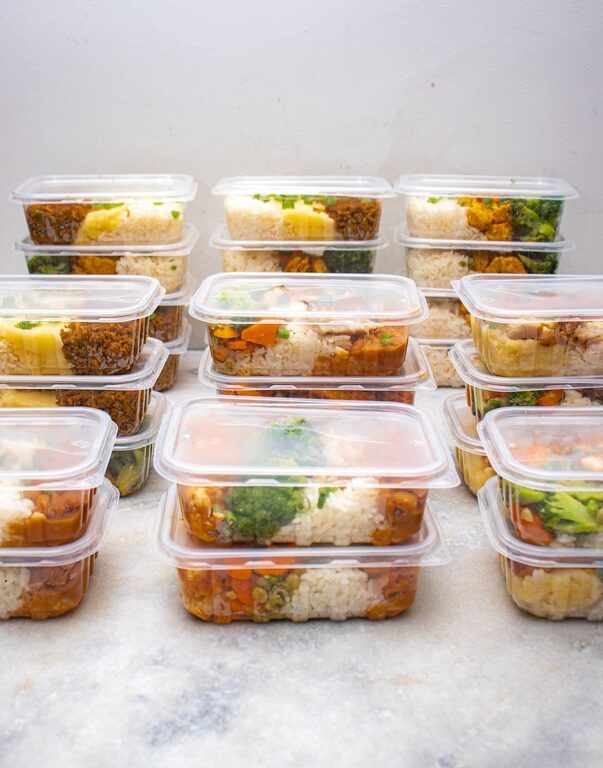
Leftovers are convenient, but they are easy to overlook. Store them in single-meal portions so they are easy to reheat and serve. Smaller containers can also help prevent food from sitting untouched in a large dish.
Give leftovers a new form instead of serving them the same way twice. For example:
– Turn roasted vegetables into a soup or filling.
– Add cooked chicken to a salad, sandwich, or grain bowl.
– Use extra rice in fried rice or stuffed vegetables.
– Mix cooked pasta with a new sauce and fresh toppings.
– Add beans to tacos, soup, or a simple salad.
You can also freeze suitable leftovers if you do not expect to eat them soon. Label the container with its contents and date so it is easy to identify later.
Cook the Amount You Need
Cooking too much food is a common source of waste. When preparing a meal, consider how many people will eat and whether you actually want leftovers.
Use measuring cups, kitchen scales, or package serving suggestions to estimate portions. Over time, you will learn how much rice, pasta, or other ingredients your household typically needs.
If you intentionally cook extra, decide how you will use it before putting it away. A plan makes leftovers more likely to be eaten.
Use More of Each Ingredient
Many parts of food that are often discarded can be used in creative ways. Vegetable stems, leafy tops, and herb stalks may add flavor to soups, sauces, or stocks. Slightly soft fruit can work well in baked dishes, sauces, or smoothies.
Try these ideas:
– Save vegetable scraps for homemade stock.
– Use citrus zest to add flavor to baked goods or dressings.
– Turn stale bread into breadcrumbs or croutons.
– Add broccoli stems to stir-fries or soups.
– Use herb stems in sauces and marinades.
– Blend very ripe bananas into smoothies or quick breads.
Only use parts that are suitable for eating and prepare them properly. If an ingredient is moldy, spoiled, or otherwise unsafe, discard it.
Keep a Small Food Waste Routine
Reducing waste becomes easier when it is part of your regular routine. Once a week, take a few minutes to review your refrigerator and pantry. Identify foods that need to be used, clean out empty containers, and update your shopping list.
You can also keep a simple note on your phone listing foods that are often wasted. If you regularly throw away a certain ingredient, buy less of it, choose a longer-lasting alternative, or find a meal that uses it more consistently.
Start With One or Two Changes
Trying to change every habit at once can feel difficult. Start with one or two practical steps, such as planning meals, labeling leftovers, or checking the refrigerator before shopping.
Once those habits become automatic, add another. Small improvements can make a meaningful difference over time. By buying thoughtfully, storing food well, using leftovers creatively, and paying attention to what your household actually eats, you can reduce food waste while making home meals more efficient and enjoyable.
