
Backyard birdwatching is an easy way to connect with nature without traveling far. Whether you live in a city apartment, a suburban neighborhood, or a rural area, you can enjoy watching birds with a few basic supplies and some patience.
You do not need expensive equipment or expert knowledge to get started. A comfortable viewing spot, a notebook, and an interest in learning are enough. As you spend more time observing, you will begin to recognize common species, notice seasonal changes, and understand which features make your outdoor space attractive to birds.
Start With Simple Equipment
The best way to begin is to use equipment that is easy to handle and fits your budget.
Choose a Pair of Binoculars
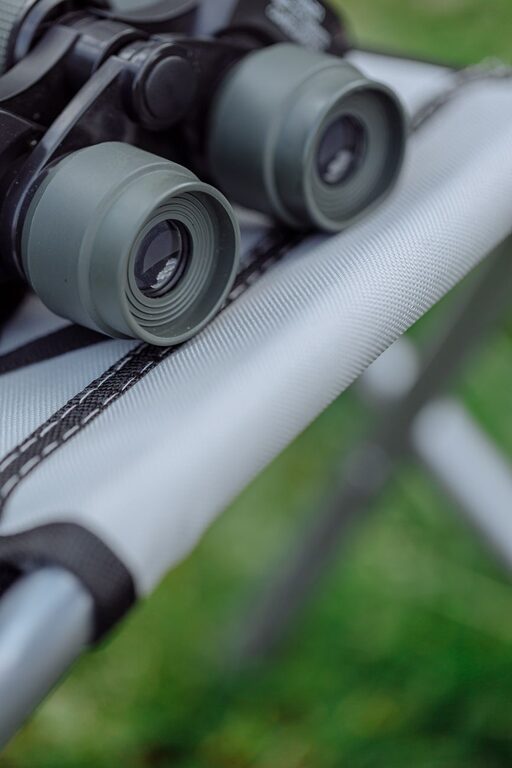
Binoculars make it easier to see details such as a bird’s markings, bill shape, and behavior. For beginners, binoculars with 8x magnification are often a comfortable choice. They provide a closer view without making it too difficult to keep a moving bird in sight.
Look for binoculars that feel comfortable in your hands and are not too heavy. If possible, test them before buying. A clear image and an easy-to-adjust focus are more important than having the most powerful model.
Keep a Field Guide Nearby
A field guide can help you compare birds by size, shape, color, habitat, and behavior. You can choose a printed guide, a bird identification app, or both.
When selecting a guide, look for one that focuses on birds in your region. A local guide will make identification easier because it will feature species you are likely to see.
Bring a Notebook
Writing down your observations helps you remember what you see and improves your identification skills. Record the date, time, location, weather, and bird species. If you are unsure of a bird’s identity, describe its appearance and behavior instead of guessing.
Over time, your notes can reveal useful patterns, such as which birds visit in the morning or when certain species return each season.
Make Your Yard Bird Friendly
Birds need food, water, shelter, and safe places to raise their young. You can provide these resources in several simple ways.
Add Native Plants
Native plants are adapted to your local climate and often provide natural food and shelter for birds. They may offer seeds, berries, nectar, or insects at different times of the year.
Consider adding a mixture of:
– Shrubs that produce berries
– Flowering plants that attract insects
– Grasses that provide seeds and cover
– Trees that offer nesting and resting areas
– Ground-cover plants for smaller birds
Choose plants that suit your area’s soil, sunlight, and moisture conditions. A varied landscape is usually more useful to birds than a yard made up of only one type of plant.
Provide Clean Water
A shallow birdbath can attract birds that do not visit feeders. Place it in a location where birds have a clear view of the surrounding area, but keep it close enough to shrubs or trees for quick shelter.
Refresh the water regularly and scrub the basin when needed. Moving water, such as a gentle dripper, may attract additional birds and help keep the water fresher. During cold weather, take care to prevent the water from becoming dangerously icy.
Offer Bird Feeders
Feeders can bring birds closer to your viewing area, but different birds prefer different types of food. Black oil sunflower seeds are popular with many backyard species. Millet may attract smaller ground-feeding birds, while suet can provide energy during colder months.
Place feeders where you can see them clearly from a window. Avoid putting them too close to glass, where birds may be more likely to collide with windows. Keep feeders clean and refill them regularly, especially during periods of cold or wet weather.
Learn to Identify Birds
Bird identification becomes easier when you focus on several features instead of relying on color alone.
Notice Size and Shape
Start by estimating the bird’s size. Is it smaller than a sparrow, about the size of a robin, or closer to a crow? Then look at its body shape, tail length, bill shape, and posture.
These details can help separate birds with similar colors. A short, thick bill may suggest a seed-eating bird, while a long, slender bill may belong to a bird that searches for insects or nectar.
Watch Behavior
Behavior is often one of the most useful clues. Ask yourself:
– Is the bird hopping on the ground or climbing a tree?
– Does it feed alone or in a group?
– Is it searching for insects, seeds, or fruit?
– Does it fly in a straight line or an undulating pattern?
– Does it spend time near water?
A bird’s behavior can narrow down the possibilities even when lighting makes its colors difficult to see.
Listen to Bird Calls
Bird sounds can help you notice birds before they come into view. Begin by learning the calls of a few common local species. Try to connect each sound with the bird’s appearance and behavior.
Do not worry about identifying every call immediately. Even recognizing that a sound belongs to a particular type of bird is useful progress.
Choose the Best Time to Watch
Birds are often most active in the early morning, when they are feeding and establishing their territories. Late afternoon can also be productive, especially near water or feeding areas.
Weather affects bird activity as well. Calm days may make it easier to hear calls, while light rain can bring birds out to search for insects. After a storm, birds may visit feeders or water sources more frequently.
Begin with short observation sessions of 15 to 30 minutes. Sit quietly, move slowly, and allow birds to become comfortable with your presence. The longer you watch, the more likely you are to notice less obvious species.
Practice Responsible Birdwatching
Good birdwatching puts the well-being of birds first.
Keep a respectful distance from nests and young birds. Avoid touching nests, playing loud calls, or repeatedly approaching areas where birds are resting. If a bird appears stressed or repeatedly moves away from you, give it more space.
Clean feeders and birdbaths regularly to reduce the spread of disease. Store birdseed in a dry, secure container, and remove spoiled food. If you notice sick birds at a feeder, consider taking it down temporarily and cleaning it thoroughly.
Also, keep cats indoors or use a secure outdoor enclosure. Domestic cats can pose a serious risk to wild birds, particularly around feeders and nesting areas.
Make Birdwatching a Habit
You do not need to identify dozens of species to enjoy birdwatching. Set small goals, such as learning five common birds in your area or keeping a weekly list of visitors.
Invite family members to watch with you, create a seasonal bird journal, or photograph birds from a distance. Each visit to your yard can offer something new, from a migrating species to a familiar bird displaying unusual behavior.
With simple equipment, a welcoming habitat, and regular observation, your backyard can become an enjoyable window into the natural world. Start slowly, stay curious, and let your knowledge grow one bird at a time.